
You Must Be a Subscriber to View This Page

Upcoming Services
Oct 25, 2026 - Reformation Sunday
Nov 1, 2026 - All Saints Sunday
Nov 22, 2026 - Christ the King
Jan 6, 2027 - Epiphany of Our Lord
13th Sunday after Pentecost • Year C
September 7, 2025 • Proper 18
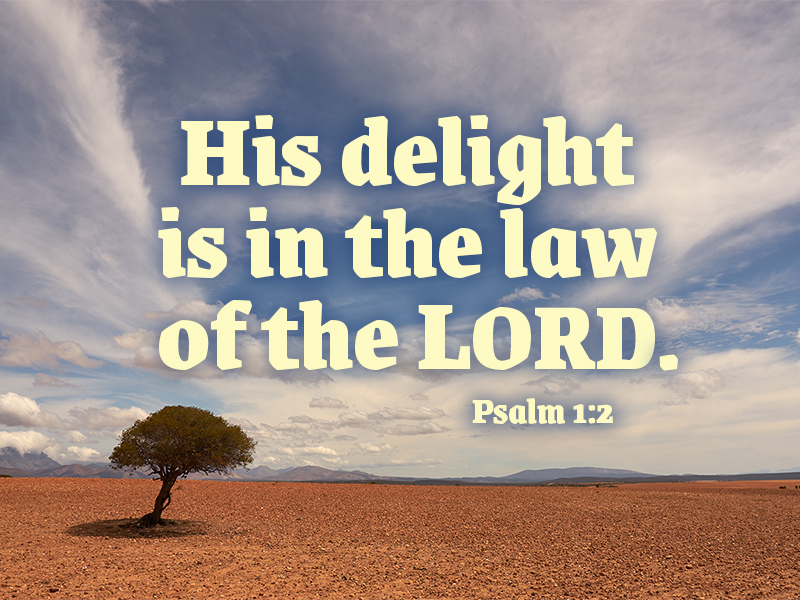
Click on black & white clipart (above left) or color photo-graphic (above) to view and download full resolution graphics for use on bulletin covers. Tutorials available Original photo
Historical Collect
O Lord, always lead and follow us with your grace, that we may be still more intent on doing good. Grant this, we pray, through Jesus Christ, your Son, our Lord, who lives and reigns with you and the Holy Spirit, one God, now and forever. Amen. (Gelasian Sacramentary, 7th Century)
Thematic Collect
Mighty and merciful God, strengthen and uphold your church, that we may choose life. By your Spirit, guide us to walk in the ways of your Son, Jesus, and shed the encumbrances of excess possessions; through Jesus Christ, our Lord, who lives and reigns with you and the Holy Spirit, one God now and forever. Amen.
The Common Thread
One’s life is prolonged when that life is possessed with the love of God. The fear, love, and trust of the Lord must be our way of life if we are to have the good life. Those who delight themselves in the Lord and his will, prosper—even in the judgment to come. Yet this delight requires some accounting. Are we willing to give up life on our terms, walking in his ways, bearing our own crosses of willing sacrifice? This is what it means to be a follower or a disciple of Jesus Christ. One must consider the cost of obedience, even if it means being scoffed, imprisoned, or just needing to do the proper but difficult thing.
First Reading • Deuteronomy 30:15-20
The Deuteronomic principle that obedience to God brings blessing while disobedience brings curse is readily seen in this reading. In some groups, the principle is considered a formula, rather than a principle: God will have to bless me if I do good. Other groups have taken this to the level that doing good deeds is the principle for the ultimate blessing: salvation.
The last 50-plus years have seen varying teachings that all seem to focus on giving to a ministry in order to promote God’s good will toward a person’s financial prosperity. The so-called prosperity gospel has taken an odd twist in more recent years. The newer code states that one may speak a “word of faith” that somehow puts God under contract to give a person what she desires. A score of years ago, it may have been inconceivable that this line of reasoning could degenerate further. Yet, we hear today the false teaching that simply thinking good, positive thoughts will bring blessing.
The price of God’s blessing of life is “loving the LORD your God, obeying his voice and holding fast to him” (v20). Isaiah said, “Come, buy wine and milk without money and without price” (Isa 55:1), and then explains his meaning. “Incline your ear, and come to me; hear, that your soul may live” (Isa 55:3). Jesus said something akin to this: “I counsel you to buy from me gold refined in fire, that you may be rich” (Rev 3:18).
Psalm • Psalm 1:1–6
The Psalmist makes it clear that blessing comes from one’s delight in the law of the Lord. Such delight is illustrated with both negative and positive examples. The spiritually delighted person will not have dealings with wicked people—especially when it comes to their teachings. However, he will spend significant time in the Lord’s Word listening to his counsel. Ultimately, the curse is that the wicked will perish while the righteous will stand in the judgment of God.
It is not “words of faith,” offerings, good works, or good thoughts that bring God’s blessing. The Psalmist tells us that the cost of God’s blessing, even the ultimate blessing of passing through judgment into eternal fellowship with the Lord, comes from being with God “day and night” (v2).
Second Reading • Philemon 1-21
This lesson talks about what following Jesus cost both Philemon and Paul. It ended up costing Philemon the price of a slave. The cost to Paul was that he would repay what that cost Philemon. If Onesimus owes you anything, “charge it to my account” (v18). The point of Paul’s letter was that the slave should be set free because he was a child of God, bought with the price of a Savior’s blood. Onesimus cost Jesus much more than Philemon and Paul combined.
Gospel • Luke 14:25-35
Jesus gets right to the point—as he always does. The cost of being his disciples is renouncing (v33) all the things of this life that many expect God owes them. What if following Jesus costs us a parent or a spouse or a child? Would we pay such a high price? It may be a cross we must bear.
Many begin well the life of faith only to discover later that there is a price. They had not counted on it costing so much to believe. When they turn their backs on God, in favor of the so-called “blessings” of this life, the flavor and the preservative power of the salty life they had once begun has now been lost. Their lives are forfeit, not even suitable for the worst of places.
Resources
Links to Worship Resources for this Service
