You Must Be a Subscriber to View This Page

Upcoming Services
Nov 1, 2026 - All Saints Sunday
Nov 22, 2026 - Christ the King
Jan 6, 2027 - Epiphany of Our Lord
Jan 10, 2027 - Baptism of Our Lord
The Holy Trinity • Year B
May 26, 2024

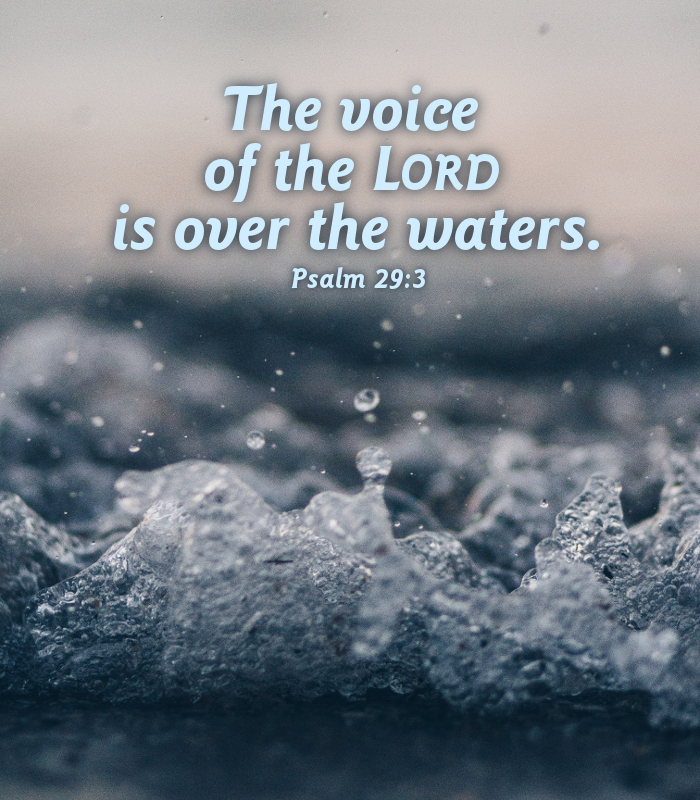
Click on black & white clipart (above left) or color photo-graphic (above) to view and download full resolution graphics for use on bulletin covers. Tutorials available. Image
DOWNLOAD Athanasian Creed Introduction and Text as a Litany of Faith
Historical Collect
Almighty and everlasting God, you have given us grace to make the confession of a true faith. We acknowledge your glorious eternal Trinity, and we adore the unity of your majestic work. Defend us by this faith from all adversity and opposition to your way; through Jesus Christ, your Son, our Lord, who lives and reigns with you and the Holy Spirit, one God, now and forever. Amen. (Gregorian Sacramentary, 6th Century)
Thematic Collect
Majestic Trinity, mystery of Three-in-One and One-in-Three, we worship you. Before time your love burst forth, creating the world in which you took delight. Strengthen us in our faith, defend us from all evil and temptation, and bring us into the everlasting presence of your love; through Jesus Christ, our Lord, who lives and reigns with you and the Holy Spirit, one God now and forever. Amen.
The Common Thread
“Holy, holy, holy is the LORD of hosts,” raises the strain of the Holy Trinity. “Who will go for us?” once again evokes the triune nature of God’s being, seen in Acts and throughout the New Testament as Christ the Lord, exalted at the right hand of the Father, with the promised Holy Spirit. The Gospel reading assures us that God is present in Christian baptism as Son and Spirit also. As the voice of the Lord thunders over the waters, we remember that we are baptized into the blessed Name of the Holy Trinity: Father, Son, and Holy Spirit.
First Reading • Isaiah 6:1-8
Before noting the Trinitarian allusions, observe the magnificence of God. The train of his royal robe is so large that it fills the entire temple. This is reminiscent of God's greatness being so massive that the header on the already huge temple doors must be lifted away before he can enter (Psa 24:7-10).
Though we are meant to focus on God's glory — even his Trinitarian nature — in this pericope, it is difficult not to stare for a moment at the seraph. He does not have two wings, as one might expect. Instead, this fiery attendant of God has three sets of wings. The seraphim call out to each other in triplets, “Holy! Holy! Holy!” God puts out a call for an earthly messenger, asking, “Who will go for us?” — showing the plural oneness of God. The triune allusions indicate that the plurality is a singular Trinity.
Psalm • Psalm 29:1-11
Luther thinks that this psalm is a prophecy of God's word and promise joining with the water of baptism. How can we disagree? His voice is indeed over those waters, too — and must be, or it is not baptism. God's Spirit hovered over the dark waters in the beginning, creating order where there had been chaos. Now the Father's Holy Spirit joins with the word of Christ to regenerate sinners.
Second Reading • Acts 2:14a, 22-36
Although Jesus was in the very form of God (Philippians 2:6), he was a man, too. He is God incarnate or God in flesh, and he did not use his divine nature as a way to draw honor to himself. He embraced his human nature for our sake. But now the Lord has been exalted at the right hand of God. God has bestowed upon him a name that is above every other name. Since God has made Jesus both Lord and Christ, the one we crucified is now enthroned with the Father and his Spirit, forever one God over heaven and earth.
Gospel • John 3:1-17
In this lesson, we see all three persons of the Trinity on display. The Father, often referred to as simply God in these closely linked Trinitarian passages, the Son, and the Spirit are each named in this critical passage about salvation. Here we see the law personified in a Pharisee challenged by grace — personified, of course, in Jesus.
Nicodemus visited Jesus by cover of night, as though secretly, and wanted to chat. At this stage his motives were unclear, but he did admit that it was obvious Jesus came from God. As though to say, “That's nice, Nick, but I am God,” Jesus called himself the “Son of Man.” Jesus referred to himself as the “Son of Man” 84 times in the gospels. It is a title that indicates his divinity. What he said next engaged the Pharisee with the authority of God. Cutting to the point, Jesus told Nicodemus what he really needed to hear: “You must be born again.”
Resources
Links to Worship Resources for this Service